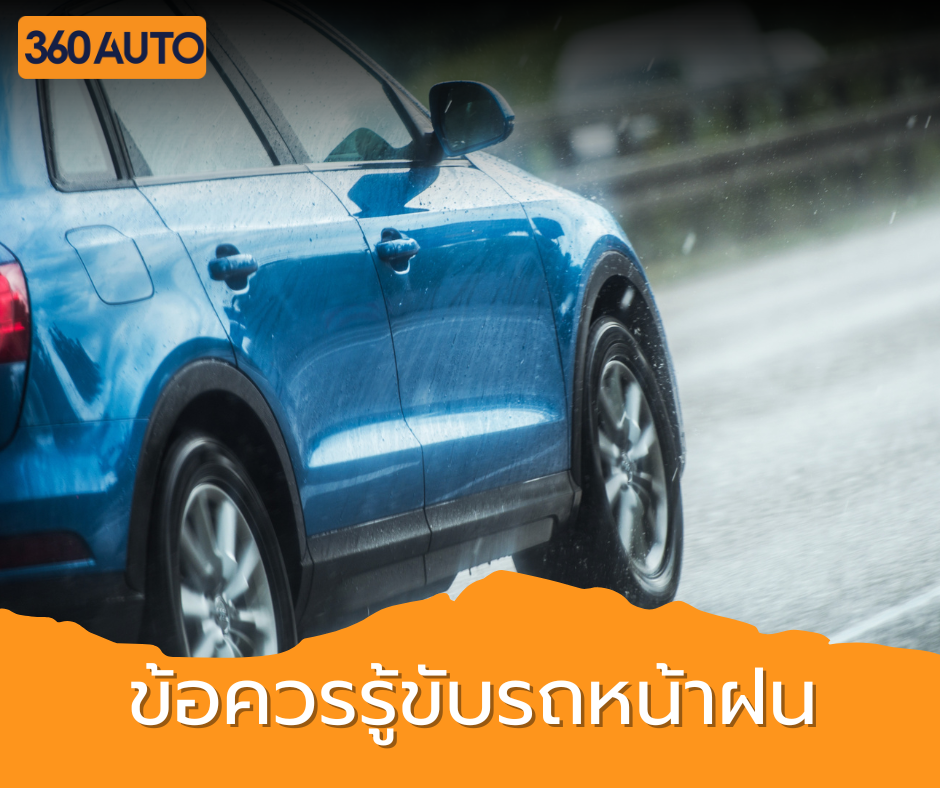
Essential Tips for Driving in the Rain: The Right Tires Can Make All the Difference
The rainy season demands extra caution from every driver. Wet and slippery roads, poor visibility, and longer braking distances increase the risk of accidents significantly. One crucial aspect often overlooked is your tires — the only part of your car that actually touches the road. The right set of tires can dramatically improve your safety and control on wet surfaces.
Why Tires Matter Most in the Rain
When driving on wet roads, a layer of water can form between your tires and the road surface, causing a dangerous phenomenon known as hydroplaning. This makes your tires lose contact with the road, resulting in a loss of steering and braking control.
That’s why rain-ready tires are essential. Here’s what to look for:
-
Deep tread patterns designed for water evacuation — to reduce the risk of hydroplaning.
-
Soft yet durable rubber compounds — for better grip and traction when cornering or braking.
-
Proper tire pressure — since underinflated or overinflated tires reduce traction and control.
How to Choose the Right Tires for Rainy Conditions
1. Choose tires with efficient water channels
Look for tires with clearly defined grooves and water drainage channels. Models like Bridgestone Turanza T6 or Michelin Primacy 5 are designed to quickly channel water away from the tread surface, reducing the chance of skidding.
(You can read an in-depth tire review here: 360auto.online article)
2. Check tire age and tread depth
If your tires are older than 3–4 years or the tread depth is less than 2 millimeters, it’s time to replace them. Older tires become harder and lose their ability to grip and drain water effectively.
3. Match your tires to your driving habits
-
City drivers who often encounter rain should choose comfort tires — quiet, smooth, and with superior wet traction.
-
Highway or long-distance drivers should consider performance tires that provide stability and faster water evacuation for safety at higher speeds.
Safe Driving Tips for Rainy Days
-
Reduce your speed by 20–30% when the road is wet.
-
Turn on your headlights (not hazard lights) to increase visibility.
-
Maintain at least double the normal distance from the car in front.
-
Inspect your wipers and braking system before every rainy trip.
Conclusion
Driving in the rain doesn’t have to be stressful. With proper preparation — especially choosing the right tires for wet conditions — you can drive confidently and safely no matter the weather. Tires with deep grooves, excellent water dispersion, and strong grip help prevent hydroplaning and improve overall control.
So don’t forget to check your tires regularly, because the right tires can make all the difference in getting you to your destination safely, rain or shine. 🌧️🚗